Maintenance and repair of heavy vehicles does not only preserve vehicle performance; it is also the most critical link for the operational continuity of commercial fleets and for safety. In tractors and trucks that cover hundreds of thousands of kilometres in harsh climate and road conditions, even the smallest wear, if not detected in time, can lead to huge mechanical damage and costly downtime.
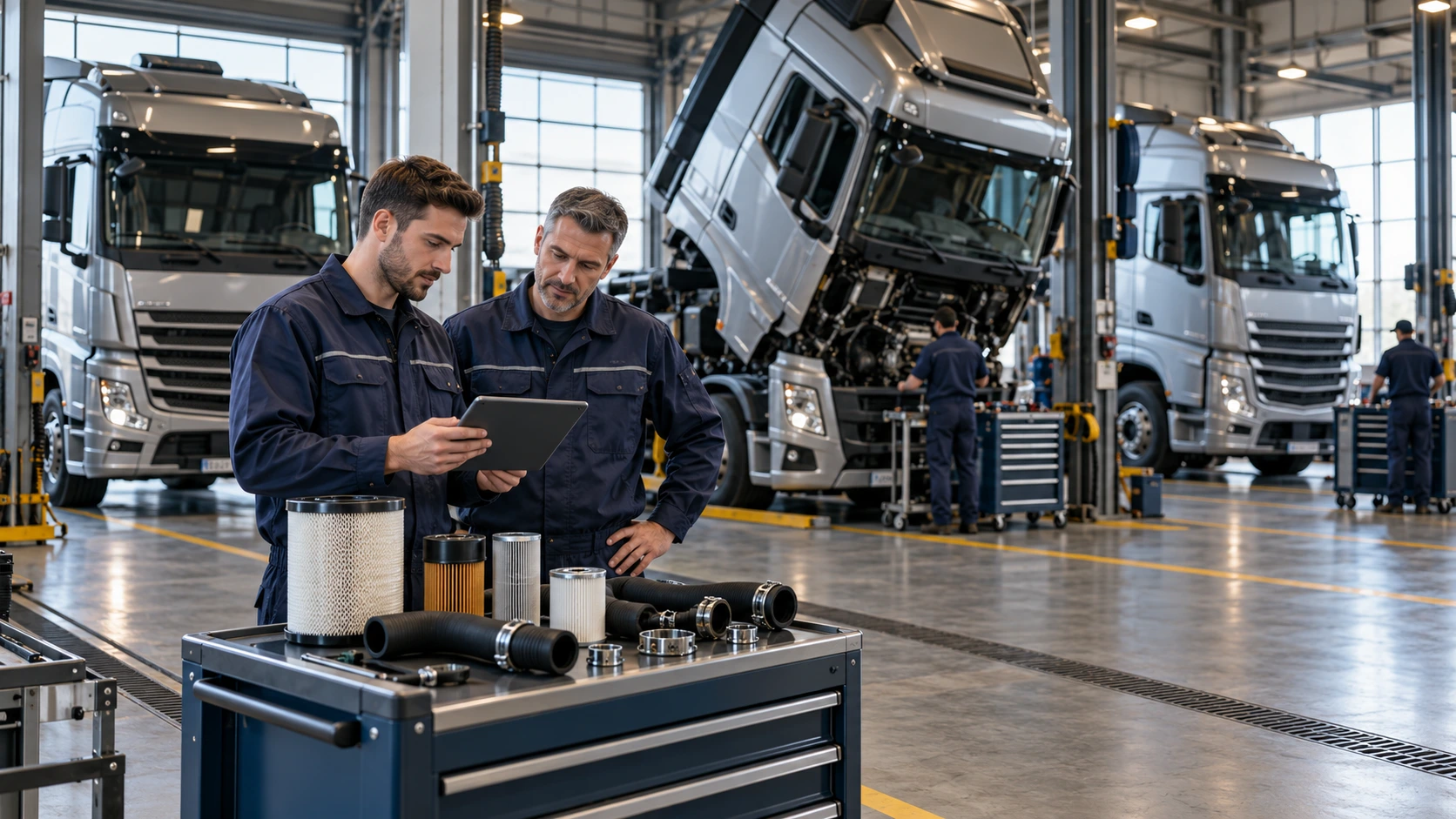
1. Regular Periodic Inspections
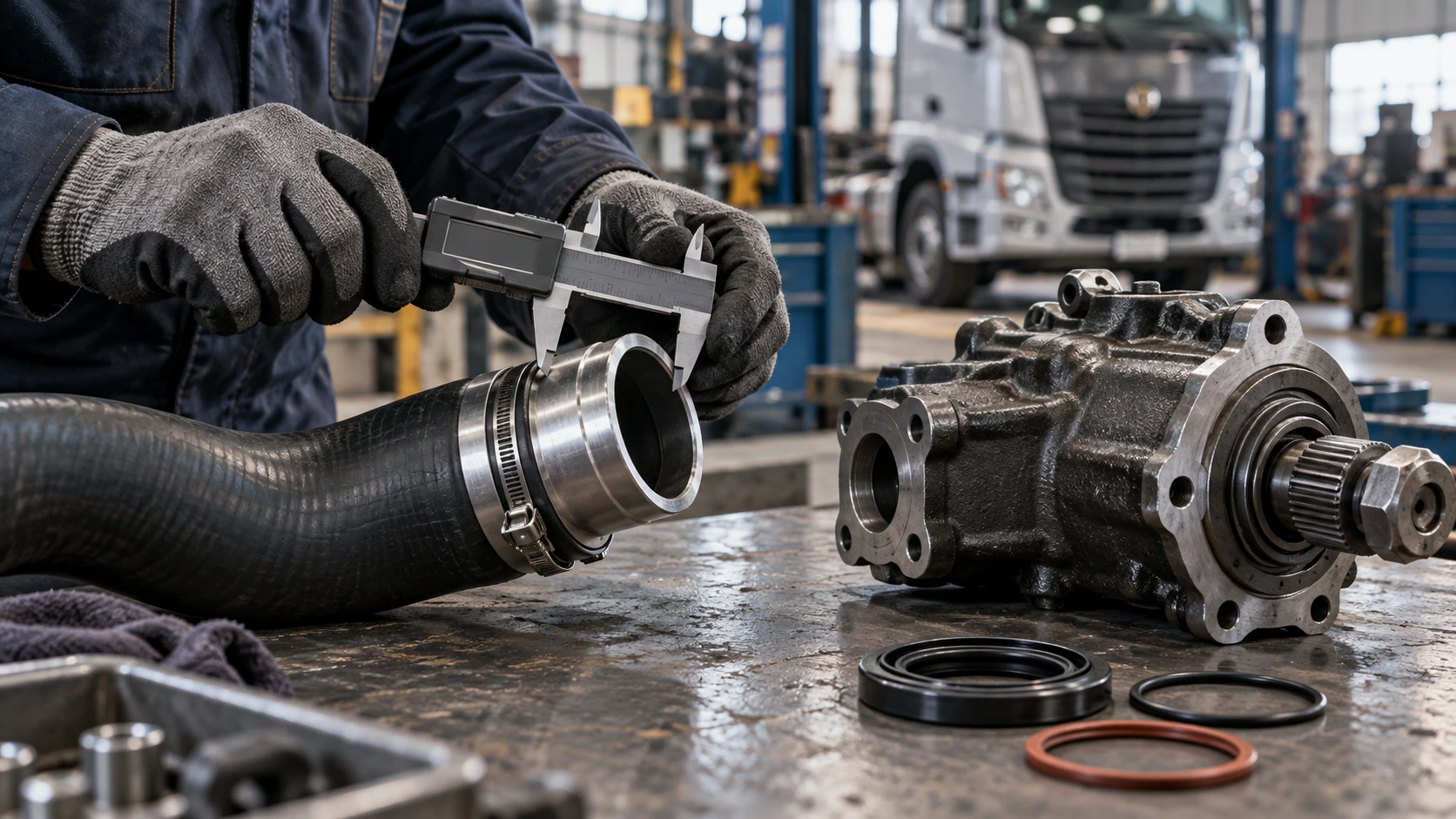
Spare parts must be inspected carefully at the specified mileage intervals. Micron-level leaks or cracks must not be ignored, especially in hose systems, valve stem seals and steering connections exposed to vibration and high pressure.
"A one-hour planned inspection at the right time completely eliminates the cost of days of towing, service and lost business when a vehicle breaks down on the road."
2. Cleaning and Correct Lubrication Techniques
Dust, mud and industrial chemicals that accumulate in the working environment of heavy-vehicle parts increase friction. Regularly renewing hydraulic power steering oil reservoirs and filters keeps oil pressure at an optimum level and prevents wear of the steering gearbox.
3. Choosing Parts That Match Original Tolerances
When replacing heavy-vehicle parts, it is essential to choose products that fit the vehicle's make, model and engine type to the millimetre. At DJS Otomotiv, the hose, steering, lift and cylinder parts we produce with over 25 years of experience go through rigorous testing and are offered to international standards.
Summary Checklist
Weekly check of fluid levels (engine oil, coolant, steering hydraulics)
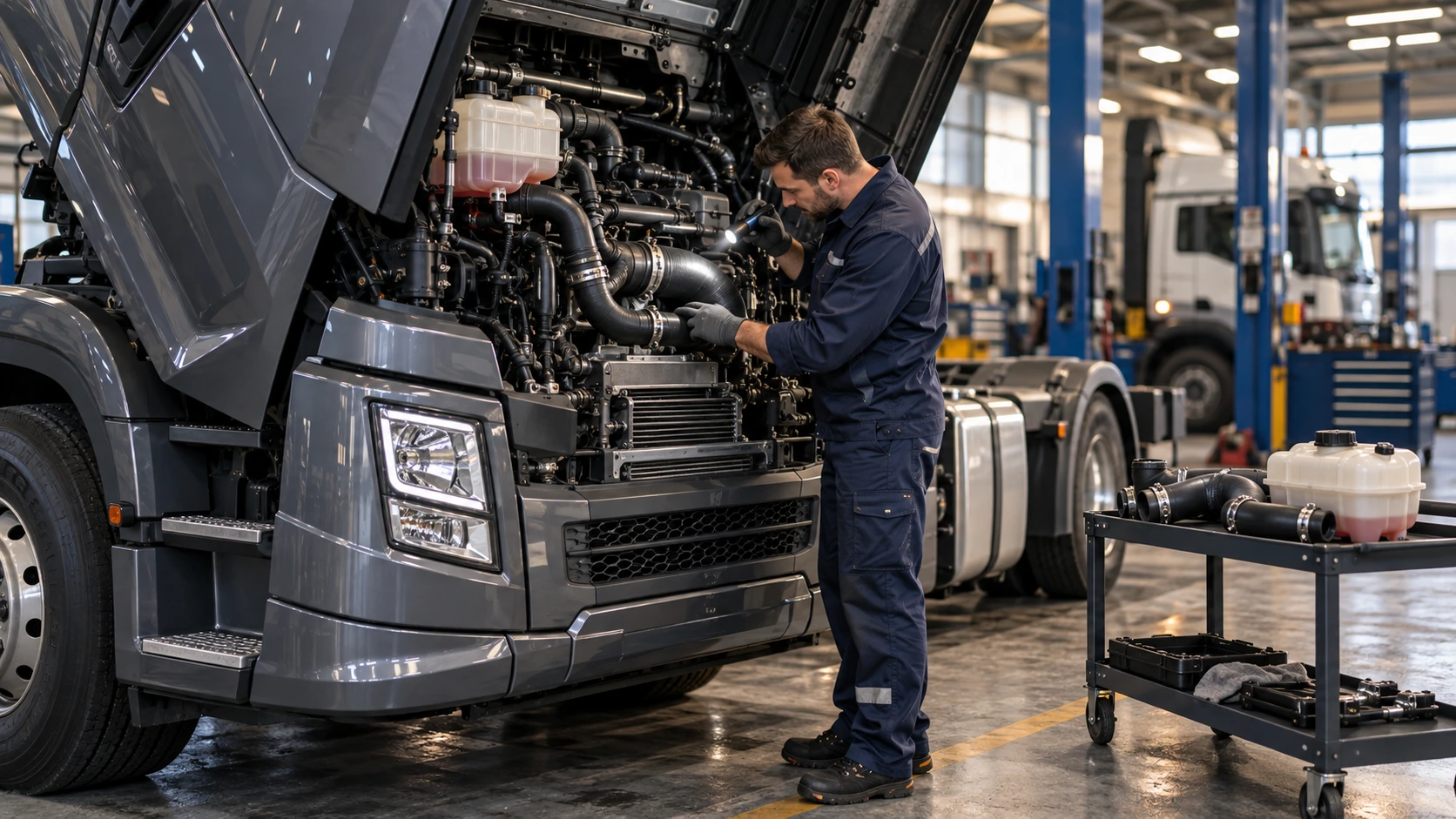
Inspection of fuel and compressor water hoses for cracks or swelling
Sealing check of valve and seal assemblies
Testing of the expansion tank and radiator pressure caps